
When we talk about "Digital Transformation," our minds naturally drift to the exciting part: the technology. We think of sleek new ERP systems, AI-powered analytics, cloud migration, and automated workflows. We envision a future of speed, efficiency, and competitive advantage.
So, why do 70% of these initiatives fail to achieve their goals?
This isn't a random number. Major studies by consulting giants like McKinsey, BCG, and research from Prosci consistently point to the same staggering failure rate. Billions of dollars are wasted annually not because the software is bad, but because of a force much more powerful and much harder to see.
The invisible barrier to your digital success isn't in the code; it's in your culture.
The "Cultural Iceberg" Model
To understand why organizations fail at change, we must look beyond what is immediately visible. The "Cultural Iceberg" model is a powerful metaphor for visualizing this challenge.
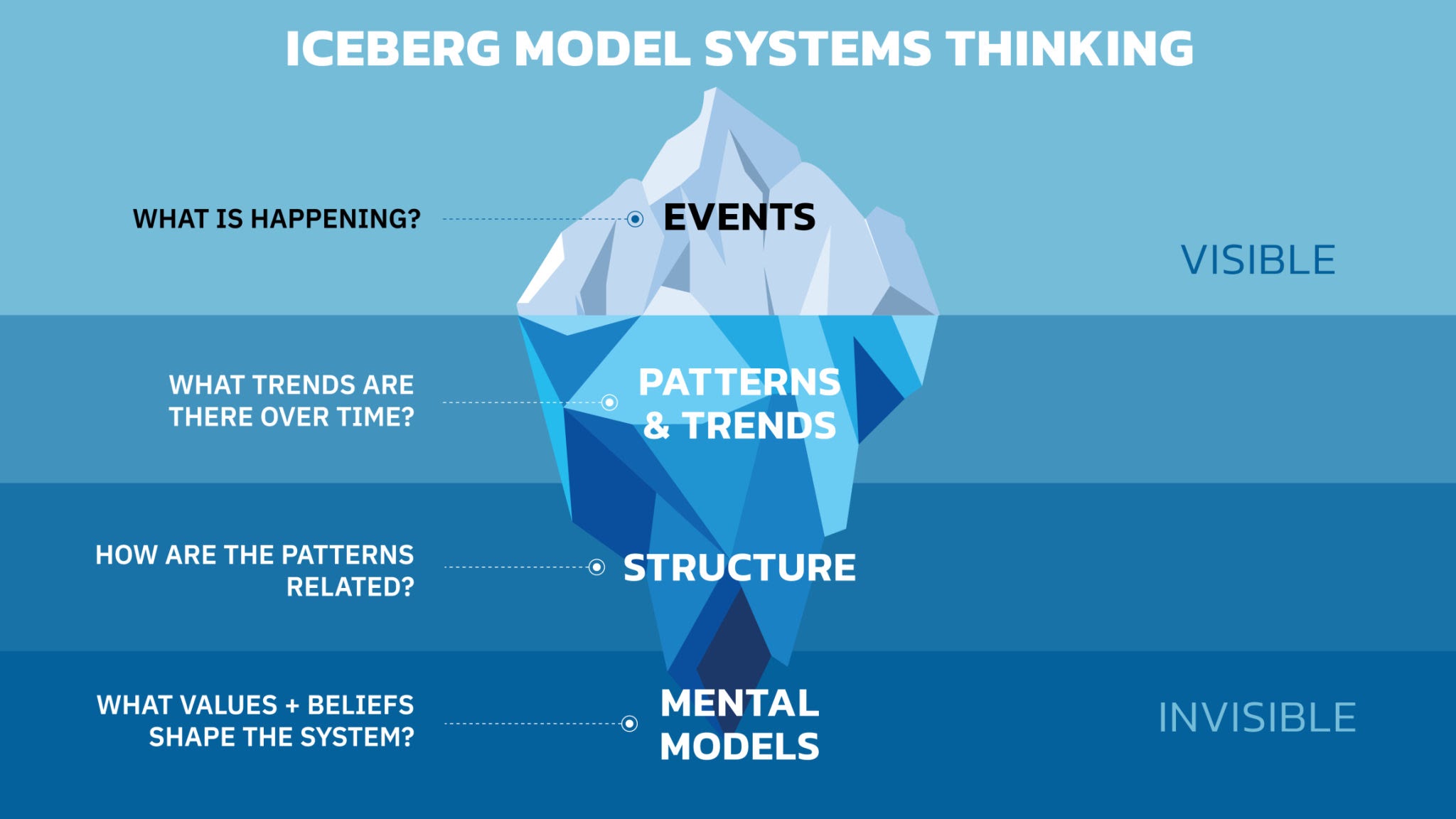 The Tip of the Iceberg (10% Visible)
Above the waterline are the things we can see, touch, and easily define. In a digital transformation, this is the Technology and Processes.
The "What": The new software, the project plan, the budget, the training manuals, the official strategy documents.
The "How": It’s relatively easy to buy new software. It’s easy to redesign a process on a whiteboard. You can write a check for technology, and it will show up.
Many leaders make the fatal mistake of focusing all their energy here. They assume that if they build it, people will come. But as the iceberg model shows, this is only 10% of reality.
The Submerged Mass (90% Invisible)
Below the surface lies the massive, hidden weight of Organization Culture. These are the deeply ingrained, unwritten rules that dictate how work actually gets done.
The "Why":
Beliefs & Mindsets: "We've always done it this way," or "This new system is just a fad; it will pass."
Values & Norms: Is information sharing rewarded, or is knowledge hoarding power? Is failure seen as a learning opportunity or a career-ending event?
Fears & Insecurities: "Will AI replace my job?" "Will I look incompetent if I can't learn the new tool fast enough?" "What if I lose influence in the new structure?"
Habits: The muscle memory of using Excel spreadsheets, email chains, and manual workarounds that feel safe and familiar.
Why the Submerged Mass Sinks the Ship
You cannot simply "install" a new culture on top of an old one. When a shiny new technology (the tip) collides with a deeply rooted, resistant culture (the base), the culture wins every time.
Here is how the invisible barrier manifests in the real world:
"Shadow IT" Flourishes: Employees find the new system too rigid or confusing, so they secretly go back to using their old Excel sheets and personal apps to get work done. The new system becomes a ghost town.
Passive Resistance: Teams agree to the change in meetings but drag their feet on execution. Deadlines are missed, training is skipped, and enthusiasm wanes.
Change Fatigue: If an organization has a history of failed initiatives, employees become cynical. They view the new digital transformation as just another "flavor of the month" that they can wait out.
A "Culture of Blame": When things inevitably get difficult during the transition, teams retreat to their silos and blame the technology or other departments instead of collaborating to solve the problem.
The Path Forward: Culture First, Technology Second
The lesson from the 70% failure rate is clear: You cannot buy your way out of a cultural problem with technology.
Successful digital transformation requires a fundamental shift in approach. It demands that leaders spend as much time, money, and effort on managing the human side of change as they do on the technical side.
Before you sign the contract for that new enterprise software, ask yourself:
Is our organization psychologically ready for this change?
Do we understand the hidden beliefs and fears that will oppose it?
Do we have a plan to address the 90% of the iceberg that is currently invisible?
In the upcoming posts of this series, we will move from diagnosis to action, providing you with the frameworks and tools to navigate the cultural iceberg and join the 30% of organizations that succeed.
References:
McKinsey & Company. "Unlocking success in digital transformations."
Prosci. "Best Practices in Change Management."